
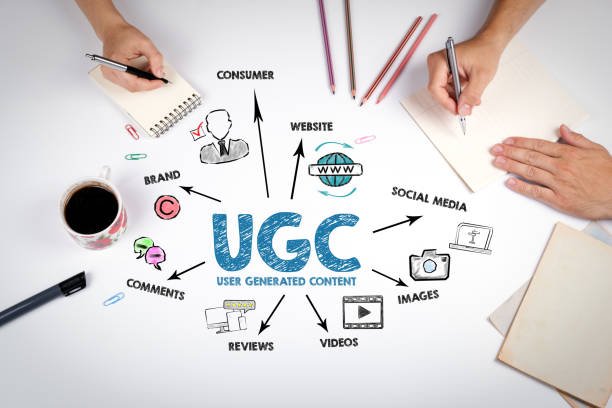
User generated content examples show how real customers talk about, use, and experience a brand in their own words. This page is designed to help marketers understand what strong UGC looks like and how to use it to increase trust, engagement, and conversions across channels.
Brands that use real customer content consistently see stronger performance than those relying only on polished brand creatives. According to industry research, campaigns featuring UGC can deliver significantly higher engagement and click through rates compared to brand only content.
This guide brings together practical user generated content examples and explains how to apply them strategically. Built for marketers and growth teams, it also highlights how clicknhub helps brands collect, manage, and activate UGC at scale. Suggested meta description: Real user generated content examples that boost engagement, build trust, and improve conversions. Explore formats, use cases, and tools with clicknhub. Primary CTA is to explore examples or book a demo with clicknhub.
What are user generated content examples and why they work
User generated content examples are pieces of content created by customers, users, or fans rather than the brand itself. These can include photos, videos, reviews, testimonials, social posts, or comments that showcase genuine experiences with a product or service.
UGC works because it taps into trust and social proof. People are more likely to believe peers than brands, especially when making purchasing decisions. Seeing others use and recommend a product reduces uncertainty and increases confidence.
Research consistently shows that UGC outperforms branded content on engagement and trust metrics. Studies have found that consumers are more likely to trust and act on content created by other users, particularly in social and ecommerce environments.
UGC converts because:
-
It feels authentic and unscripted
-
It provides social proof from real users
-
It helps buyers visualize real world use
Common examples include customer photos, short videos, written reviews, and star ratings. These formats naturally lead into how brands can use UGC across marketing channels.
Why use user generated content examples in your marketing
User generated content examples deliver value across the entire marketing funnel. They are cost efficient to produce, often outperform brand assets, and scale naturally as communities grow.
From a performance perspective, UGC frequently drives higher engagement, better click through rates, and improved conversion rates. Brands also reduce production costs by repurposing content customers already create.
UGC works across channels. On social media it increases interaction and reach. In paid ads it improves relevance and lowers cost per click. In email and on websites it builds trust at key decision points.
Compared to brand created content, UGC typically shows stronger authenticity and lower cost per asset while maintaining competitive performance. Short case examples often show uplift in engagement or conversion when UGC replaces or complements branded visuals. Clicknhub tools help aggregate and organize these assets so teams can activate them faster.
Popular user generated content examples and formats
User generated content comes in many formats, each serving different goals. Visual formats like photos and videos drive attention, written formats like reviews build trust, and interactive formats encourage participation. The following sections break down the most effective UGC examples and how to use them.
Customer testimonials and reviews as user generated content examples
Customer testimonials and reviews are one of the most trusted forms of user generated content. They can appear as written feedback, star ratings, or short video testimonials shared on websites and social platforms.
Brands can collect reviews through post purchase emails, in app prompts, or follow up messages. The process should be simple and transparent, with clear consent and moderation guidelines.
A typical approach includes asking at the right moment, showcasing authentic responses, and placing reviews where they influence decisions most, such as product pages or ads. Ethical considerations include honesty, avoiding manipulation, and respecting user privacy. Review snippets can also be enhanced with structured data to improve visibility in search results.
Unboxing videos as user generated content examples
Unboxing videos work because they recreate the excitement of receiving a product for the first time. They are especially effective for physical products where packaging, presentation, and first impressions matter.
Brands can encourage unboxing by including simple prompts in packaging or follow up emails. Clear filming tips help creators capture useful footage without overproduction.
These videos perform well on platforms like YouTube and TikTok, typically in short, focused formats. Brands often repurpose unboxing clips into paid ads or product page visuals to extend their value.
Before and after transformations as user generated content examples
Before and after content highlights visible change and progress, making it powerful for categories like beauty, fitness, and home improvement. The contrast tells a clear story and supports conversion decisions.
Brands should request this content using a structured template that explains image guidelines, timing, and captions. Ethical considerations include accuracy, consent, and avoiding misleading claims.
Strong before and after UGC follows a simple narrative and is measured by engagement and conversion lift. When done correctly, it builds credibility while respecting user trust.
Branded hashtag challenges as user generated content examples
Branded hashtag challenges invite users to create content around a shared theme. A clear concept, memorable hashtag, and simple instructions are critical for participation.
Campaigns typically follow a timeline from prelaunch planning to launch, amplification, and wrap up. Incentives may include recognition, prizes, or features rather than cash rewards.
Moderation and legal clarity are essential, especially when running contests. Tracking relies on hashtag monitoring tools and platform analytics to measure participation and reach.
Influencer style product demos as user generated content examples
Influencer style demos sit between traditional influencer marketing and organic UGC. The key difference is intent and control. UGC demos often come from genuine users rather than paid agreements.
Brands can encourage unpaid demos by engaging micro creators and customers who already use the product. Disclosure rules still apply when incentives are offered.
These demos are tracked through views, saves, and downstream actions such as affiliate sales. They are especially effective when creators maintain creative freedom and authenticity.
Meme and humor driven content as user generated content examples
Meme driven UGC spreads quickly because humor encourages sharing. This format is low cost but requires strong alignment with brand tone and audience expectations.
Brands often seed meme formats by reacting to trends or inviting users to adapt templates. Clear do and don’t guidelines help prevent brand safety issues.
Meme content works best on platforms where humor is native and should be monitored closely for sentiment. Successful memes are often repurposed into organic or paid social placements.
Contest and giveaway entries as user generated content examples
Contests and giveaways generate UGC at scale by motivating participation. Common formats include photo entries, video submissions, or caption based challenges.
A clear plan covers goals, rules, promotion, selection, and follow up. Prize relevance matters more than prize value for attracting the right participants.
Brands must define content usage rights and consent clearly. After the contest, submitted UGC can be repurposed across channels when permissions are properly managed.
How to build a social media strategy using user generated content examples
Building a social media strategy around UGC requires structure, ownership, and clear rules for activation. Instead of treating UGC as ad hoc content, brands should integrate it into planning, publishing, and amplification workflows.
A strong strategy aligns UGC formats with channel goals, defines how content moves from submission to approval, and ensures performance is measured consistently. Tools such as clicknhub help centralize collection, rights management, and distribution so UGC can be used confidently at scale.
A practical 90 day roadmap includes weekly activities such as sourcing content, publishing UGC posts, amplifying top performers, and reviewing results. Core KPIs typically include engagement rate, CTR, conversions, and volume of usable UGC. Roles are usually split across marketing, community management, and legal or compliance for approvals.
Set SMART objectives for user generated content examples
Clear objectives make UGC measurable and accountable. SMART goals ensure that UGC efforts connect to broader marketing outcomes rather than vanity metrics.
A SMART goal template includes:
-
Specific: Define exactly what type of UGC is needed
-
Measurable: Set a numeric target such as submissions or engagement
-
Achievable: Base targets on past performance or benchmarks
-
Relevant: Tie UGC to brand or campaign goals
-
Time bound: Define a clear deadline
Example objectives include increasing monthly UGC submissions by a defined percentage within three months or improving social ad CTR by replacing brand creatives with UGC. KPIs should align with funnel stage goals such as awareness, engagement, or conversion.
Identify and engage your target audience with user generated content examples
Different audience segments respond to different types of UGC. Mapping personas to preferred formats helps increase participation and relevance.
A typical persona framework links audience type to UGC format, outreach channel, and incentive. For example, existing customers may prefer reviews or photos shared via email prompts, while advocates respond well to social challenges and recognition.
Messaging should match audience motivation and timing should align with natural moments such as post purchase or after product use. Active community management, including responses and recognition, increases repeat participation.
Plan social media content around user generated content examples
Operational planning turns UGC into a reliable content source. Brands should define a content mix that balances UGC, brand posts, and promotional messages.
A monthly calendar often includes recurring UGC slots, scheduled amplification of high performing posts, and planned repurposing into ads or stories. Cadence should remain consistent without overwhelming feeds.
Clear caption templates and hashtag strategies help maintain brand voice while preserving authenticity. A/B testing ideas include comparing UGC versus brand visuals or testing different captions on the same asset.
Track and measure performance of user generated content examples
Measurement ensures UGC contributes to business outcomes. Core metrics include engagement rate, CTR, conversion rate, and customer acquisition cost where applicable.
Reporting should combine weekly performance checks with deeper monthly analysis. Attribution often relies on UTMs, platform analytics, and assisted conversion tracking.
A simple KPI dashboard tracks asset level performance and channel impact. Tools like clicknhub simplify tagging, organization, and reporting while benchmarks provide context for optimization.
Best sources and types of user generated content examples
UGC can be sourced from multiple groups, each with different benefits and considerations. Common sources include customers, employees, brand advocates, and event participants.
Each source requires a tailored approach to solicitation. Customers respond to simple prompts and incentives, employees need clear guidelines and approvals, and advocates benefit from recognition and long term engagement. Consent and legal clarity are required in all cases.
Customer generated content examples and why they convert
Customer generated content converts because it reflects real use and honest opinion. Reviews, photos, and videos from customers act as strong trust signals during purchase decisions.
High impact examples often show the product in everyday contexts and answer common buyer questions. These assets perform best on product pages, landing pages, and paid ads.
Encouraging customer UGC involves timely requests, clear instructions, and moderation to maintain quality and relevance.
Employee generated content examples to boost authenticity
Employee generated content humanizes brands and builds credibility. Employees can share behind the scenes moments, expertise, or day to day experiences.
Launching an employee UGC program involves defining content themes, providing guidelines, and setting a publishing cadence. A simple content calendar helps employees participate without friction.
Incentives may include recognition rather than monetary rewards. Legal and HR alignment is essential to ensure compliance and comfort.
Brand advocate content examples and how to find advocates
Brand advocates are highly engaged users who consistently interact with the brand. Identification often starts with engagement signals such as comments, shares, and repeat purchases.
The advocate journey typically moves from discovery to outreach, activation, and reward. Outreach scripts should feel personal and appreciation driven rather than transactional.
Loyalty programs, ambassador agreements, and exclusive access help sustain advocacy. Success is measured through content quality, reach, and repeat participation.
Example LinkedIn posts and captions for user generated content examples
LinkedIn UGC captions should maintain a professional tone while highlighting real experiences. Templates typically include a short context statement, the UGC highlight, and a soft CTA.
Examples include spotlighting a customer quote, sharing an employee perspective, or featuring an advocate success story. Image suggestions focus on real people, screenshots, or event photos.
Recommended hashtags are limited and relevant, post length is concise, and optimal timing aligns with weekday business hours.
User generated content examples from top brands and case studies
Leading brands use UGC strategically rather than sporadically. Case studies are selected based on consistency, scalability, and measurable results.
Each example highlights campaign mechanics, outcomes, and lessons that can be adapted by other brands.
GoPro user generated content examples and lessons
GoPro has built its brand around user created videos. The company encourages sharing through clear prompts, branded hashtags, and frequent features of community content.
Campaign mechanics focus on showcasing real adventures, rewarding creators with exposure, and distributing content across social and owned channels. Results include high engagement and a steady stream of premium content.
Takeaway tips from GoPro user generated content examples
-
Design products with sharing in mind
-
Use simple branded hashtags consistently
-
Reward creators with visibility, not just prizes
-
Repurpose top content across channels
-
Keep creative prompts open ended
Doritos user generated content examples and campaign ideas
Doritos is known for large scale UGC challenges tied to events. Campaigns typically include a clear creative brief, simple submission rules, and strong incentives.
Community engagement is driven through voting, sharing, and event amplification. A similar contest can be run with a scaled budget and clear legal framework.
Takeaway tips from Doritos user generated content examples
-
Tie campaigns to cultural moments or events
-
Make submission formats easy and accessible
-
Balance creativity with brand guidelines
-
Plan amplification beyond the submission phase
-
Allow sufficient time for participation
Yosemite Conservancy user generated content examples and photo campaigns
Yosemite Conservancy leverages photo and story submissions to highlight real visitor experiences. Campaigns invite emotional storytelling rather than polished visuals.
Submitted content is reused across email, web, and social channels with clear consent. Prizes and recognition encourage participation while maintaining authenticity.
Takeaway tips from Yosemite Conservancy user generated content examples
-
Use themed photo prompts to guide quality
-
Encourage storytelling alongside visuals
-
Set clear photo and caption guidelines
-
Offer meaningful but simple incentives
-
Plan reuse across multiple channels
Apartment Therapy user generated content examples for community building
Apartment Therapy uses a community first approach to UGC by inviting readers to actively participate in content creation. A core tactic is its home tour submissions, where community members share real homes, design choices, and personal stories rather than polished showrooms.
The brand also runs recurring challenges that encourage readers to submit themed content over a defined period. These challenges are integrated into the editorial calendar and supported by clear prompts, deadlines, and examples. Submitted content is curated by editors and published alongside staff written articles, reinforcing parity between the brand and its community.
A typical content calendar includes weekly community features, monthly challenges, and seasonal spotlights. Moderation follows a clear workflow that screens submissions for quality, relevance, and tone before publication. Engagement is measured through comments, time on page, social shares, and repeat contributor participation.
Takeaway tips from Apartment Therapy user generated content examples
-
Run themed weeks to focus community submissions around one idea
-
Spotlight contributors prominently to reward participation
-
Publish clear submission guidelines with visual examples
-
Maintain editorial standards to protect content quality
-
Use recurring formats to build contributor habits
ASOS user generated content examples and hashtag campaigns
ASOS built a scalable fashion UGC engine through its #AsSeenOnMe hashtag. Customers upload photos wearing ASOS products, which are then curated and displayed across social platforms and product pages.
The submission experience is designed to be simple, with clear prompts and seamless product tagging. Content is moderated to ensure brand fit and image quality before being approved for reuse. On the ecommerce site, hashtag hubs allow shoppers to browse real customer photos linked directly to products.
Implementation requires clear moderation rules, minimum image resolution standards, and consistent conversion tracking to measure impact on product views and sales.
Coca Cola user generated content examples and personalization ideas
Coca Cola’s Share a Coke campaign combined personalization with UGC at global scale. By placing individual names on products, the brand encouraged customers to share photos and stories tied to personal identity.
The psychology behind the campaign relied on recognition and emotional connection. Activation included hashtags, in store prompts, and social sharing incentives. Measurement focused on engagement volume, reach, and brand lift rather than direct sales alone.
Personalization ideas vary by product type, from names and messages to locations or occasions. Logistics include production planning, inventory management, and coordinated hashtag usage.
Starbucks user generated content examples and contest inspiration
Starbucks generated massive UGC through the White Cup Contest, inviting customers to decorate cups and share photos. The contest lowered barriers to entry by using an everyday object and simple creative rules.
Prizes focused on recognition and limited edition products rather than cash. Submissions were amplified through brand channels, extending reach beyond participants.
Small brands can replicate this approach by running short contests with clear rules, simple mechanics, and planned reuse of winning entries. Legal clarity and sustainability considerations should be built into contest design.
Away user generated content examples for lifestyle storytelling
Away uses UGC to tell lifestyle driven travel stories rather than focusing only on products. Customers share photos and narratives from trips, positioning the brand as part of meaningful experiences.
Content is curated to highlight destinations, emotions, and personal moments. Community features and galleries reinforce belonging. A storyboard approach guides how submissions are structured from opening image to closing caption.
Strong prompts, consistent tagging, and cross channel reuse across social, email, and web help maximize impact.
Parachute user generated content examples for product ads
Parachute integrates UGC directly into paid advertising by sourcing realistic home and product photos from customers. These assets replace or complement studio photography.
UGC ads are compared against stock or branded creatives to evaluate CTR and CPA differences. Creative templates standardize formats while preserving authenticity.
Clear creative specs ensure usability across platforms. Results often show stronger engagement due to the natural, lived in look of customer imagery.
Loews Hotels user generated content examples for hospitality marketing
Loews Hotels encourages guests to share photos during stays, then repurposes approved content in official marketing. Outreach happens post stay with a clear request and consent language.
Campaigns are often seasonal, aligning with holidays or travel peaks. Guest photos are featured across social, web, and email to reflect real experiences.
Measurement focuses on engagement, booking influence, and content volume. Legal releases are required before reuse, especially for paid placements.
Apple user generated content examples for camera and photography
Apple’s #ShotoniPhone campaign showcases high quality photography created by everyday users. Submissions highlight camera capabilities through real world use rather than technical specs.
Curation is selective, with clear submission guidelines and rights management. Content appears on billboards, social platforms, and product pages.
Tracking relies on hashtag monitoring and licensing workflows to ensure content can be reused globally without friction.
T Mobile user generated content examples for interactive campaigns
T Mobile’s Breakup Letters campaign invited users to submit creative messages explaining why they were leaving other carriers. The interactive format encouraged humor and participation.
Submissions were shared publicly, creating momentum and social discussion. Engagement was measured through shares, comments, and participation volume.
Interactive UGC formats can include quizzes or fill in the blank experiences, often supported by app or site integration to reduce friction and increase virality.
Aerie user generated content examples for body positive marketing
Aerie’s #AerieREAL campaign centered on unretouched images and inclusive representation. The brand invited customers to share photos that reflected real bodies and real life.
Clear authenticity and diversity guidelines shaped submissions and moderation. Community safety and respectful engagement were actively managed.
Measurement included engagement, sentiment, and PR impact. Model releases and consent processes ensured ethical reuse of submitted content.
Cancer Research user generated content examples for cause campaigns
Cancer Research UK’s No Makeup Selfie campaign combined UGC with fundraising. Participants shared selfies, nominated others, and donated, creating a viral loop.
Donation flows were integrated directly into participation. Privacy and sensitivity were prioritized due to the cause driven nature of the campaign.
Influencer amplification increased reach, while success was measured through donations, participation rate, and awareness.
Loughborough University user generated content examples for student engagement
Loughborough University used UGC to build excitement among incoming students through personalized Golden Ticket campaigns. Students shared reactions and experiences during orientation.
Timing was critical, with activation during enrollment and welcome periods. Student ambassadors played a key role in seeding participation.
UGC was placed across social and campus channels as social proof, with engagement and participation as primary metrics.
American Express user generated content examples for community content
American Express uses UGC through its OPEN Forum by inviting business owners to contribute articles and insights. Content is curated editorially to maintain quality and relevance.
Contributor onboarding includes guidelines, tone standards, and moderation rules. SEO benefits come from authoritative, experience based content.
Success is measured through content performance, contributor retention, and search visibility.
Calvin Klein user generated content examples for lifestyle branding
Calvin Klein’s #MyCalvins campaign blends celebrity content with customer submissions to create aspirational yet accessible branding.
UGC is integrated into product pages and social feeds, supported by clear rights management and cross promotion strategies. Conversion tracking links lifestyle imagery to product engagement.
The mix of influencer and organic UGC creates scale while maintaining authenticity.
LEGO user generated content examples for product innovation
LEGO Ideas allows fans to submit product concepts, vote, and influence which designs become official products. This turns UGC into a product development engine.
The workflow includes submission, community voting, review, and productization. Voting thresholds determine which ideas advance.
IP considerations and clear terms protect both the brand and contributors. Promotional tactics highlight winning ideas, reinforcing community participation and loyalty.
Amazon user generated content examples and customer review strategies
Amazon treats customer reviews as a core UGC asset and embeds them directly into the buying journey. Reviews are actively solicited through post purchase emails sent shortly after delivery, timed to when customers have had enough experience with the product to comment meaningfully.
On product pages, reviews are displayed with filters for recency, rating, verified purchase, and keyword search. This allows shoppers to self select the most relevant feedback. Helpful votes and reviewer badges further surface high quality contributions, while moderation systems flag spam, incentives abuse, or policy violations.
A repeatable review strategy includes a checklist covering compliant email timing, clear requests without incentives tied to sentiment, and structured showcasing across product pages, ads, and A plus content. Moderation focuses on authenticity, relevance, and safety rather than removing negative feedback.
Stanley user generated content examples for viral product trends
Stanley capitalized on organic viral moments by resharing creator content instead of forcing campaigns. When user videos featuring everyday use unexpectedly gained traction, the brand amplified them quickly across official channels.
Creator engagement focused on responsiveness and recognition rather than rigid briefs. Stanley monitored social platforms for spikes in mentions, saves, and remixes to identify trends early. Once validated, content was curated and reposted to extend reach.
A practical playbook includes social listening for trend signals, fast internal approval, creator outreach using simple permission requests, and lightweight curation that preserves the original tone and format.
Crumbl user generated content examples for food unboxing and reviews
Crumbl drives UGC through weekly limited time flavor drops that naturally fuel unboxing and review content. Customers anticipate releases and share first impressions, taste tests, and packaging reveals.
The brand reinforces this behavior by resharing customer videos and photos shortly after each launch. Packaging design and flavor naming act as built in prompts for visual content.
A supporting content calendar aligns weekly drops with repost windows, influencer seeding, and recap features. Engagement is tracked through views, saves, comments, and repeat participation tied to each flavor cycle.
Glossier user generated content examples for beauty community building
Glossier built its brand by centering customer selfies and real experiences. User content is reposted regularly, creating a feedback loop where customers feel seen and valued.
Hashtags organize submissions, while moderation ensures tone, safety, and inclusivity. Beyond marketing, Glossier uses UGC as a product feedback channel, informing formulation updates and new launches.
A community checklist includes clear hashtag usage, daily moderation routines, response guidelines, and internal processes for routing insights back to product teams.
Fix Chocolate Bars user generated content examples for viral snacks
Fix Chocolate Bars gained visibility through ASMR and unboxing trends that emphasized texture, sound, and indulgence. The brand seeded products to creators likely to lean into sensory formats.
Luxury positioning was reinforced through controlled pricing, limited availability, and premium packaging that invited close up filming. Creator incentives focused on early access rather than discounts.
A seeding plan outlines creator tiers, packaging prompts to highlight sensory moments, and guidelines that protect perceived value while encouraging creative freedom.
Popflex user generated content examples for co creation and feedback
Popflex actively involves its audience in product design through polls, previews, and transparent decision making. Customers vote on colors, features, and styles before production.
Polling mechanics are simple and frequent, keeping engagement high. Feedback is acknowledged publicly, reinforcing trust and participation. Product roadmaps visibly reflect community input.
Reusable templates include poll formats, update posts, and feedback summaries. Incentives center on recognition, early access, and contribution credits rather than monetary rewards.
Liquid Death user generated content examples for bold brand stunts
Liquid Death encourages extreme and unconventional fan content that matches its irreverent brand voice. Fans are sometimes hired or spotlighted as creators, blurring the line between audience and brand.
Stunt driven UGC is evaluated through a risk lens before amplification. Legal releases, brand safety checks, and tone alignment are mandatory steps.
A risk assessment checklist covers content legality, reputational impact, amplification channels, and contingency plans if a stunt draws backlash.
Loewe user generated content examples for luxury audience engagement
Loewe balances exclusivity with UGC by applying strict curation standards. Only high quality, on brand user content is amplified, preserving the luxury aesthetic.
The mix of celebrity and everyday creators is intentional, with both treated through the same visual and editorial lens. Licensing and usage rights are secured before reuse.
Curation guidelines define image quality thresholds, styling expectations, and selective amplification rules to maintain prestige while benefiting from community content.
Drunk Elephant user generated content examples for skincare routines
Drunk Elephant leverages routine based UGC to educate customers on product use. Creators share step by step routines and product mixing practices known as smoothies.
Educational value is prioritized, with safety disclaimers and ingredient transparency included in captions or overlays. Approved UGC is repurposed into tutorials across owned channels.
Creator briefs outline routine structure, messaging requirements, and visual clarity. Content performance is measured through saves, watch time, and tutorial completion rates.