
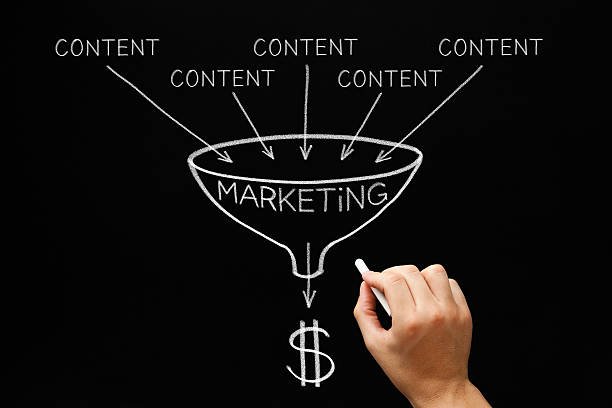
This page explains how a Social Media Funnel Strategy turns attention into measurable business growth. The primary focus is on designing, optimizing, and measuring a funnel that moves people from discovery to loyal advocacy using social platforms. The scope covers core frameworks, metrics, real examples, and practical steps you can apply immediately.
Brands using structured social funnels see higher conversion efficiency, stronger lifetime value, and clearer attribution across channels. Research consistently shows that nurtured social leads convert at higher rates than cold traffic, and that retention driven by community and advocacy reduces acquisition costs over time.
If you want to build or improve a funnel that actually converts followers into customers, start with a guided setup and testing approach using Clicknhub.
Strategies to Optimize Your Social Media Funnel Strategy
Optimization starts with treating the funnel as a living system rather than a fixed campaign. Every stage should be tested, measured, and refined based on audience behavior and intent signals.
Key optimization tactics include:
-
Align content to intent at each stage, such as educational posts for awareness and proof-driven content for conversion, with engagement rate and CTR as primary KPIs.
-
Use platform-native formats like short video and carousels to improve reach and time spent, tracked through impressions and watch time.
-
Retarget warm audiences with sequenced messaging to move them forward, measured by assisted conversions.
-
Optimize landing pages for social traffic with message match, tracked through bounce rate and conversion rate.
-
Test offers and CTAs continuously to reduce friction, monitored via cost per lead or cost per purchase.
-
Leverage social proof such as reviews and UGC to increase trust, measured by conversion lift.
-
Automate follow-ups using integrations to reduce response time, tracked through lead response SLA.
A recent client case showed a 32 percent lift in conversions after restructuring retargeting ads around funnel stages. The recommended next step is to audit your current funnel stages and identify the biggest drop-off point.
Key Takeaways for Social Media Funnel Strategy
-
Funnels work best when each stage has a clear objective and metric, with awareness tracked by reach.
-
Content must match user intent to move people forward, with engagement rate as the action metric.
-
Retargeting is essential for efficiency, measured by assisted conversions.
-
Conversion stages need strong proof and clarity, tracked by conversion rate.
-
Retention increases lifetime value, measured by repeat purchase rate.
-
Advocacy lowers acquisition costs, tracked by referral traffic.
-
Reporting cadence should be weekly for tactics and monthly for outcomes.
Each takeaway connects back to its detailed section for deeper guidance.
What Is a Social Media Funnel Strategy
A Social Media Funnel Strategy is a structured approach to guiding users from initial discovery on social platforms through consideration, conversion, retention, and advocacy. It aligns content, messaging, and measurement to each stage of the customer journey.
Unlike traditional funnels that rely heavily on linear paths and static touchpoints, social funnels are dynamic and interactive. Users can enter at multiple stages, engage publicly or privately, and influence others through sharing and recommendations.
A simple five-stage funnel looks like this:
Awareness
↓
Consideration
↓
Conversion
↓
Retention
↓
Advocacy
This approach benefits startups, ecommerce brands, service businesses, and B2B companies that rely on trust, education, and repeat engagement.
How to Build a Social Media Funnel Strategy
Building a funnel requires a clear sequence of steps that connect goals, content, and metrics.
-
Define awareness objectives, using educational and discovery content, measured by reach and impressions.
-
Create consideration assets such as comparisons and testimonials, measured by engagement and saves.
-
Design conversion paths with offers and landing pages, measured by conversion rate.
-
Implement retention content like onboarding and follow-ups, measured by repeat engagement.
-
Activate advocacy through reviews and sharing prompts, measured by referrals.
-
Set up reporting and optimization cycles, measured by ROI and funnel velocity.
A simple checklist includes stage goals, content formats, platform selection, KPI definition, and reporting ownership.
How a Social Media Funnel Strategy Helps Your Business
A well-built funnel increases awareness by expanding qualified reach, generates leads through intent-driven content, and drives revenue with clearer conversion paths. Over time, it improves lifetime value by keeping customers engaged after purchase.
One ecommerce brand increased social-driven revenue by focusing on retargeting warm audiences. A service business reduced lead costs by aligning educational content with early-stage intent. A SaaS company improved retention by adding community touchpoints post-conversion.
From an executive perspective, the ROI comes from lower acquisition costs, higher conversion rates, and predictable growth tied to measurable funnel stages.
Map Your Customer Journey for Social Media Funnel Strategy
Journey mapping starts with understanding who your customers are and how they interact with your brand. Required inputs include defined personas, key pain points, and all social and off-platform touchpoints.
A five-step mapping method includes identifying entry points, listing stage-specific actions, defining content needs, assigning KPIs, and validating assumptions with data.
A sample map visually connects platforms, content types, and outcomes across stages. Common tools for this process include analytics dashboards, CRM systems, and social management platforms.
Metrics to Track in Your Social Media Funnel Strategy
Each funnel stage requires distinct KPIs to understand performance.
Awareness metrics include reach and impressions.
Consideration metrics include engagement rate and clicks.
Conversion metrics include conversion rate and cost per acquisition.
Loyalty metrics include repeat purchase rate.
Advocacy metrics include referrals and shares.
Attribution basics involve understanding first-touch, last-touch, and assisted conversions. Reporting should happen weekly for performance and monthly for strategic insights, using dashboards that include spend, reach, conversions, and ROI.
Retention and Advocacy Tactics for Social Media Funnel Strategy
Post-purchase tactics focus on keeping customers engaged and encouraging sharing. Key approaches include building communities, encouraging user-generated content, launching referral programs, and running email or message-based sequences.
A typical cadence might include weekly community posts, monthly referral prompts, and quarterly campaigns. KPI targets often focus on repeat engagement, referral rate, and customer lifetime value.
Template ideas include welcome sequences, review requests, and shareable social prompts.
Real World Social Media Funnel Strategy Examples
This section highlights how different businesses apply funnel strategies in practice.
An ecommerce brand used short video for awareness and retargeting ads for conversion, increasing ROAS. A local service business leveraged testimonials and direct messages to improve lead quality. A B2B company used thought leadership content to nurture long sales cycles.
A comparison table across examples shows key metrics, tactics used, and lessons learned for each case.
Final Recommendations for Your Social Media Funnel Strategy
The next steps should follow a clear roadmap.
In the first 30 days, audit your funnel and define KPIs.
Within 90 days, launch stage-specific content and retargeting.
By 180 days, optimize based on data and expand retention tactics.
The priority is consistent measurement and iteration. Start implementing these steps with Clicknhub and use a simple measurement checklist to track progress.
FAQs About Social Media Funnel Strategy
What is the main goal of a social media funnel?
To guide users from awareness to advocacy in measurable stages.
How long does it take to see results?
Initial insights often appear within weeks, with stronger results over months.
Do all platforms need separate funnels?
The framework stays the same, but content adapts per platform.
How do I measure ROI?
Track conversions, assisted conversions, and lifetime value.
Is paid media required?
Organic works, but paid accelerates movement through stages.
What content works best at the top of the funnel?
Educational and discovery-focused content.
How often should I optimize?
Review weekly and adjust monthly.
Can small businesses use this strategy?
Yes, especially with focused stages and clear metrics.
Core Framework for a Social Media Funnel Strategy
The core framework includes awareness, consideration, conversion, retention, and advocacy. Each stage has a defined purpose, content type, and metric.
Awareness focuses on reach with educational content.
Consideration builds trust using proof and engagement.
Conversion drives action with offers and clarity.
Retention maintains value through follow-ups.
Advocacy amplifies reach through sharing and referrals.
A simple flowchart connects these stages in sequence, with quick tips emphasizing message clarity, consistency, and continuous measurement at every step.
2025 Benchmarks for Social Media Funnel Strategy
The benchmarks below reflect commonly observed performance ranges across social platforms in 2025. They are intended to help teams sanity check performance and set realistic targets rather than act as absolute goals.
Awareness
Reach rate: 20–35 percent of followers
Engagement rate: 1.5–3.5 percent
Consideration
Click through rate: 0.8–1.5 percent
Cost per click: platform dependent, typically stable year over year
Conversion
Social traffic conversion rate: 1.5–3 percent
Cost per acquisition: benchmarked against paid search and email
Retention
Repeat engagement rate: 25–40 percent
Repeat purchase rate: 20–30 percent
Advocacy
Referral share rate: 3–7 percent
UGC participation rate: 5–10 percent
Sources typically include platform analytics, industry reports, and aggregated agency data. Benchmarks should be interpreted relative to industry, audience maturity, and budget. Apply them by setting minimum acceptable performance, stretch targets, and testing thresholds for each funnel stage.
Unified Analytics Dashboard for Social Media Funnel Strategy
A unified dashboard brings all funnel metrics into one view so teams can see movement between stages. Core components include awareness metrics, engagement and traffic metrics, conversion data, and retention indicators.
Recommended widgets include reach and impressions by platform, clicks and CTR by content type, conversions and revenue by campaign, and repeat engagement over time. Data sources usually combine native social analytics, web analytics, CRM, and ad platforms.
A sample layout starts with a funnel overview at the top, stage specific charts in the middle, and campaign level tables at the bottom. Exports are typically weekly for teams and monthly for leadership. Tools like Clicknhub simplify aggregation and reporting across channels.
Benefits of a Social Media Funnel Strategy
-
Clear visibility into how social activity drives business outcomes, reducing guesswork.
-
Better content efficiency by matching formats to funnel stages.
-
Lower acquisition costs through retargeting and intent signals.
-
Higher lifetime value driven by retention and advocacy.
-
Easier reporting and decision making for teams and executives.
A one line ROI example is reducing cost per lead by 25 percent after adding mid funnel retargeting. Compared to ad hoc posting, a funnel strategy provides structure, measurement, and predictable outcomes rather than isolated engagement spikes.
Understand Audience Behavior for Social Media Funnel Strategy
Understanding behavior starts with research. Common methods include customer surveys, platform analytics, website behavior analysis, and social listening for trends and sentiment.
Persona fields to capture include demographics, goals, pain points, preferred platforms, content formats, objections, and buying triggers. Sample questions focus on what problems users are trying to solve, where they discover brands, and what builds trust. Data sources include surveys, comments, messages, reviews, and analytics tools.
Set Tracking Parameters for Social Media Funnel Strategy
Tracking relies on consistent UTMs and pixel setup. A standard UTM structure includes source, medium, campaign, content, and term where relevant.
An example UTM string follows a clear naming pattern tied to platform, funnel stage, and creative. Pixels should be installed on key pages such as landing pages, checkout, and confirmation pages.
Recommended parameters are source for platform, medium for paid or organic, campaign for initiative, and content for creative variation. Consistency ensures clean attribution and reporting.
Visual Map of Touchpoints for Social Media Funnel Strategy
Touchpoint maps show how users move across platforms and stages. Creation starts by listing stages, platforms, content, actions, and outcomes.
Common formats include swimlane diagrams by platform or timelines by stage. Required columns usually include stage, touchpoint, content type, CTA, KPI, and owner. A sample map visually connects discovery posts to retargeting ads, landing pages, and post purchase engagement. Tools range from spreadsheets to dedicated mapping or whiteboard software.
Awareness Content Ideas for Social Media Funnel Strategy
-
Short video explainer, 30–60 seconds, CTA to follow, KPI reach.
-
Trend based post, short form, CTA to engage, KPI engagement rate.
-
Educational carousel, 5–7 slides, CTA save, KPI saves.
-
Infographic, static, CTA share, KPI shares.
-
Founder insight clip, under 60 seconds, CTA comment, KPI comments.
-
Poll or question, short text, CTA vote, KPI responses.
-
Industry stat post, static, CTA learn more, KPI impressions.
-
Behind the scenes video, short form, CTA follow, KPI reach.
-
Collaboration post, mixed format, CTA visit profile, KPI profile visits.
-
Hashtag challenge, short video, CTA participate, KPI UGC volume.
Two quick templates include a hook plus insight plus CTA for video, and a problem plus stat plus takeaway for carousels.
Consideration Content Ideas for Social Media Funnel Strategy
Key content types include case studies, product demos, webinars, comparisons, testimonials, FAQs, guides, and live Q&A sessions. Each should follow a clear structure that highlights problem, solution, and proof.
Distribution works best through retargeting engaged users and email or message follow ups. Measurement focuses on clicks, time spent, and assisted conversions. Repurposing notes include turning webinars into clips and guides into carousel summaries.
Conversion Content Ideas for Social Media Funnel Strategy
Conversion assets include optimized product or service pages, limited time offers, promo codes, free trials, and simplified checkout flows. CTAs should be direct and action focused.
Landing page checklists cover message match, clear value proposition, social proof, and fast load times. A/B test ideas include CTA wording, page layout, offer framing, and trust signals.
Retention Content Examples for Social Media Funnel Strategy
Retention content formats include newsletters, tutorials, onboarding videos, exclusive groups, and update posts. Cadence often follows weekly or biweekly touchpoints.
Personalization tips involve segmenting by purchase or behavior. KPIs include repeat engagement, churn reduction, and lifetime value growth.
Proving ROI for Your Social Media Funnel Strategy
ROI proof relies on attribution models, consistent UTMs, and mapping revenue back to campaigns. Common models include first touch, last touch, and assisted attribution.
Sample ROI formulas compare revenue generated to total social spend. A short case calculation might show social driving assisted conversions that increase total revenue beyond direct last click results. Reporting frequency is usually monthly with quarterly deep dives.
Awareness Stage Guidance for Social Media Funnel Strategy
The awareness stage focuses on reach and discovery. Objectives center on visibility and initial engagement.
Content mixes include short video, static posts, and trend driven formats. Targeting prioritizes broad or interest based audiences. KPIs include reach, impressions, and engagement rate. Posting cadence is typically several times per week. Creative briefs define audience, message, format, and success metric.
Consideration Stage Guidance for Social Media Funnel Strategy
Consideration aims to educate and build trust. Content types include testimonials, demos, comparisons, and lead magnets.
Nurturing sequences move users from engagement to clicks. KPIs include CTR, saves, and assisted conversions. Lead magnet examples include guides and checklists. Remarketing focuses on users who engaged at awareness.
Conversion Stage Guidance for Social Media Funnel Strategy
Conversion guidance centers on removing friction. Checklists include clear CTAs, simple UX, strong trust signals, and fast performance.
A sample funnel flow connects retargeting ads to landing pages and checkout. Conversion tracking setup includes pixels, events, and goal configuration.
Loyalty Stage Guidance for Social Media Funnel Strategy
Loyalty focuses on retention and repeat value. Tactics include follow up content, loyalty programs, and community engagement.
Measurement tracks repeat purchase rate, engagement, and churn. Sample sequences include welcome emails, usage tips, and community invites. Reward ideas range from discounts to early access.
Advocacy Stage Guidance for Social Media Funnel Strategy
Advocacy develops customers into promoters. Tactics include UGC campaigns, referral programs, and testimonials.
Incentive models may include rewards, recognition, or exclusive access. Tracking methods focus on referral traffic, UGC volume, and share rates.
Awareness Stage Optimization for Social Media Funnel Strategy
Optimization ideas include A/B testing hooks, formats, and posting times. Timing experiments compare days and hours. Creative swaps test visuals and messaging.
Hypotheses define expected lift and success criteria based on reach or engagement improvements.
Consideration Stage Optimization for Social Media Funnel Strategy
Mid funnel optimization tests content depth, messaging angles, and offers. Metrics focus on lead quality, CTR, and assisted conversions.
A test matrix outlines variable, hypothesis, metric, and duration to ensure structured experimentation.
Conversion Stage Optimization for Social Media Funnel Strategy
Conversion optimization includes CRO tactics, simplified checkout steps, and retargeting sequences.
A prioritized action list often starts with CTA clarity, page speed, and trust elements. KPI thresholds define acceptable conversion rates and cost per acquisition.
Loyalty and Advocacy Optimization for Social Media Funnel Strategy
Optimization at this stage focuses on increasing repeat purchases and referrals. Tactics include community engagement plans and UGC amplification.
Metrics include engagement frequency, referral rate, and lifetime value growth.
E commerce Social Media Funnel Strategy Example Deichmann UK
Background covers Deichmann UK’s ecommerce focus and competitive market. Objectives included increasing social driven revenue.
Tactics involved awareness video, retargeting ads, and promotional landing pages. Results showed improved ROAS and conversion rates. Lessons highlight the impact of structured retargeting and offer testing. A results table summarizes reach, CTR, conversions, and revenue lift.
B2B Social Media Funnel Strategy Example Refinitiv
The B2B case focuses on a defined professional audience and longer sales cycles. Channels included LinkedIn and supporting platforms.
Lead capture used gated content and forms, with automation through CRM integration. Results included higher lead quality and pipeline contribution. Metrics and playbook snippets outline targeting, content sequencing, and measurement approach.
Service Business Social Media Funnel Strategy Example Basic Fit
This service industry example focuses on how Basic Fit aligned creative, platforms, and tracking to drive membership growth. The creative approach emphasized high energy short form video and relatable fitness moments, which fit well with platforms like TikTok and Instagram. Tracking combined platform analytics with website and membership signup data to measure movement across stages. Conversion lift came from pairing limited time membership offers with retargeting. Key lessons include prioritizing native formats, simplifying conversion paths, and using clear stage specific messaging. Templates used included short video hooks, offer landing pages, and retargeting ad sequences.
How to Measure Advocacy in Your Social Media Funnel Strategy
Advocacy is measured through referral rate, volume of user generated content, and proxy indicators similar to NPS such as repeat mentions and positive sentiment. Tracking methods include referral links, branded hashtag monitoring, and post purchase surveys. Sample dashboard widgets include referrals over time, UGC volume by platform, and share of positive mentions.
Optimize Social Media Budget with a Funnel Strategy
Budget optimization starts with allocating spend by funnel stage. A common model assigns higher percentages to awareness, moderate spend to consideration, and focused spend to conversion and retention. Sample splits might be 40 percent awareness, 30 percent consideration, 20 percent conversion, and 10 percent retention and advocacy. ROI scenarios compare shifting spend from low performing stages to higher return stages. Decision rules include increasing budget where marginal CPA decreases and pausing spend where lift plateaus.
Streamline ROI Tracking for Social Media Funnel Strategy
ROI tracking improves when data sources are integrated. Steps include connecting CRM, analytics, and ad platforms, mapping campaign identifiers across systems, and automating data pulls. A mapping table aligns campaign name, UTM parameters, CRM fields, and revenue events. Automation tips include scheduled data syncs and standardized naming conventions.
Improve Campaign Planning with Social Media Funnel Strategy
Campaign planning benefits from a structured calendar and brief. Planning templates include fields for objective, stage, audience, content format, KPI, and timeline. Forecasting approaches estimate reach, clicks, and conversions based on benchmarks. A sample timeline shows awareness launch, consideration nurture, and conversion push across several weeks.
Increase Long Term Revenue with Social Media Funnel Strategy
Long term revenue grows through higher lifetime value. Strategies include cross sell and up sell offers, retention focused content, and loyalty incentives. Retention levers include consistent follow ups and exclusive access. A simple LTV calculation multiplies average order value by purchase frequency and retention period.
Troubleshooting Metrics for Social Media Funnel Strategy
Common issues include missing tracking data, inconsistent attribution, and misaligned KPIs. Diagnostics involve checking UTMs, pixel firing, and data consistency across platforms. Remediation steps include fixing parameter naming, validating events, and aligning reporting windows.
Newsletter Signup for Social Media Funnel Strategy Tips
Newsletter signups work best when placed at high intent points such as bio links and landing pages. Incentive copy focuses on value like tips or exclusive insights. Follow up sequences start with a welcome email, followed by educational content and soft offers. KPI goals include signup conversion rate and open rate.
Social Media Persona Template for Funnel Strategy
Persona templates capture role, goals, pain points, platforms, content preferences, and objections. An example persona might include a fitness focused professional seeking convenience and motivation. Usage notes stress mapping personas to platforms and funnel stages.
Social Media Metrics Chart for Funnel Strategy
Recommended chart types include line charts for trends, bar charts for comparisons, and funnel charts for stage drop off. Interpretation focuses on movement between stages rather than isolated spikes. Dashboards should refresh weekly with monthly summaries.
Platform Engagement Data for Social Media Funnel Strategy
Engagement data collection involves pulling native metrics from each platform. Comparisons require normalization by reach or impressions. Sample tables compare engagement rate, clicks, and saves across platforms to identify strengths.
Attention Grabbing Techniques for Social Media Funnel Strategy
Techniques include strong hooks, bold thumbnails, clear opening lines, and native formats. Examples include asking a direct question, using a surprising stat, showing a before and after, or starting with motion. A creative checklist covers hook clarity, visual contrast, and CTA presence.
LinkedIn Post Example for Social Media Funnel Strategy
A typical LinkedIn post includes a concise opening, 3 to 5 short lines of insight, and a soft CTA. Recommended length stays under 150 words. Targeting focuses on role or industry. Performance expectations include steady engagement and click throughs.
Instagram Reel Example for Social Media Funnel Strategy
Reels work best at 15 to 30 seconds with a fast hook. Scripts follow a problem, insight, and CTA flow. Captions reinforce the message and include a clear action. Editing checklists include captions, pacing, and native effects.
Instagram Post Example for Social Media Funnel Strategy
Image posts pair a clear visual with a value driven caption. Hashtag strategies balance broad and niche tags. CTA examples include save, comment, or link in bio. Best posting times align with audience activity data.
LinkedIn Video Example for Social Media Funnel Strategy
LinkedIn videos typically perform well at under 90 seconds. Structure includes a hook, key point, and takeaway. Distribution tips include posting from personal profiles and encouraging discussion. Lead generation integrations connect to forms or landing pages.
Shopify Video Example for Social Media Funnel Strategy
Product demo videos highlight use cases and benefits. CTAs direct viewers to the product page. Tracking uses UTMs and conversion events. Thumbnails and captions focus on clarity and value.
Campaign Results for Social Media Funnel Strategy
Results presentation includes KPIs by stage, lift versus baseline, and key learnings. Tables summarize reach, engagement, conversions, and ROI. Next steps focus on scaling what worked and testing improvements.
Deichmann Awareness Stage Example for Social Media Funnel Strategy
Awareness tactics included short video and lifestyle visuals. Targeting focused on broad interest audiences. Outcomes showed strong reach and engagement. Lessons highlight the value of native creative.
Deichmann Consideration Stage Example for Social Media Funnel Strategy
Mid funnel tactics used product highlights and testimonials. Engagement metrics included clicks and saves. Retargeting focused on video viewers and site visitors.
Deichmann Conversion Stage Example for Social Media Funnel Strategy
Conversion ads emphasized offers and urgency. Tracking combined pixel events and revenue data. Conversion lift was attributed to retargeting and offer testing.
Refinitiv Awareness Stage Example for Social Media Funnel Strategy
B2B awareness relied on thought leadership content. Targeting focused on roles and industries. Metrics included impressions and engagement.
Refinitiv Consideration Stage Example for Social Media Funnel Strategy
Consideration used remarketing and gated content. Lead quality metrics showed improvement through tighter targeting.
Refinitiv Conversion Stage Example for Social Media Funnel Strategy
Conversion involved lead forms and CRM automation. Cost per lead decreased while volume remained stable.
Basic Fit Awareness Stage Example for Social Media Funnel Strategy
Awareness used TikTok native content with high energy visuals. Reach and engagement increased significantly compared to baseline.
Basic Fit Consideration Stage Example for Social Media Funnel Strategy
Mid funnel content included partnerships and influencer collaborations. Metrics focused on view through rate and consideration signals.
Basic Fit Conversion Stage Example for Social Media Funnel Strategy
Conversion combined tracking setup, limited time offers, and retargeting. Membership conversions increased with measurable lift.
Stage Specific ROI Methods for Social Media Funnel Strategy
ROI formulas vary by stage. Awareness uses CPM efficiency, consideration looks at CPC, conversion tracks CPA, and retention uses LTV. Sample calculations demonstrate how each metric ties back to revenue.
Reporting Templates for Social Media Funnel Strategy
Templates include fields for objective, KPI, result, and insight across awareness, consideration, conversion, and loyalty. Export formats include spreadsheets and dashboards with weekly and monthly cadence.
Link Social Activity to Business Results with Funnel Strategy
Linking activity to results requires understanding correlation versus causation. Mapping content to sales events helps clarify impact. Attribution windows should align with buying cycles. Example tables connect campaigns to pipeline or revenue.
Visual Map of Audience Touchpoints for Funnel Strategy
Building a touchpoint map involves listing stages, channels, content, and actions. Required data includes platform, message, CTA, and KPI. Sample visualizations show cross channel flow and overlap.
Track Everything UTMs and Pixels for Social Media Funnel Strategy
UTM rules stress consistency and clarity. Pixel events include page view, add to cart, and purchase or signup. Verification steps ensure events fire correctly. Troubleshooting focuses on missing or duplicated data.
A B Testing Frameworks for Awareness in Funnel Strategy
Frameworks define hypothesis, variable, duration, and success metric. Sample variables include hook, format, and timing. Reporting templates capture results and insights.
Audience Targeting Refinement for Social Media Funnel Strategy
Refinement uses segmentation, lookalike audiences, and exclusion lists. Sample definitions include recent engagers, converters, and high value customers.
Content Format Performance Analysis for Funnel Strategy
Performance analysis compares formats normalized by reach. Tables show engagement and conversion contribution. Repurposing recommendations focus on scaling top performers.
Platform Algorithm Optimization for Social Media Funnel Strategy
Optimization considers posting frequency, engagement signals, and timing per platform. Checklists outline best practices for each channel.
Click Through Optimization for Social Media Funnel Strategy
Click through improvement comes from CTA wording and placement tests. Sample CTAs show different intent levels. Expected lifts vary by test type.
Landing Page Conversion Improvements for Funnel Strategy
Landing page improvements focus on speed, trust, CTA clarity, and form length. A/B test ideas include layout and messaging changes. Heatmaps help identify friction points.
Lead Magnet Performance for Social Media Funnel Strategy
High performing lead magnets include guides, checklists, and templates. Promotion tactics use retargeting and pinned posts. Benchmarks track conversion rate. Sample outlines define structure and value.
Retargeting Campaign Refinement for Funnel Strategy
Refinement involves audience segmentation, creative sequencing, frequency caps, and bid strategies. Sample funnels move users from awareness to conversion with staged messaging.
Call to Action Testing for Social Media Funnel Strategy
CTA testing includes variants and placement experiments. Measurement plans define success metrics. Test matrices document results.
Conversion Path Simplification for Social Media Funnel Strategy
Simplification reduces steps and friction. Analytics checks identify drop off points. Prioritized fixes focus on speed and clarity. Before and after flows illustrate improvement.
Objection Handling Content for Social Media Funnel Strategy
Common objections include price, trust, and complexity. Content responses include FAQs, demos, and testimonials. Templates guide placement across funnel stages.
Customer Engagement Sequence Improvements for Funnel Strategy
Post purchase sequences include welcome messages, education, and follow ups. Timing aligns with customer lifecycle. KPIs track retention and engagement.
Community Building Optimization for Social Media Funnel Strategy
Community formats include groups and comment driven posts. Moderation rules and prompts encourage participation. Measurement plans track growth and engagement.
User Generated Content Analysis for Social Media Funnel Strategy
UGC analysis covers collection, measurement, and amplification. Sentiment analysis identifies quality. Legal and consent checklists ensure compliance.
Referral Program Enhancements for Social Media Funnel Strategy
Referral enhancements focus on making sharing easy, rewarding, and trackable. Core mechanics include unique referral links, double sided incentives, and simple redemption flows. Incentive models range from discounts and credits to exclusive access or upgrades. Tracking relies on referral links tied to UTMs and post conversion events. Promotion tactics include post purchase prompts, pinned social posts, and email reminders. A sample referral flow starts after purchase, delivers a referral link, tracks referrals, and applies rewards automatically.
Deichmann Instagram Post Example for Funnel Strategy
This example uses lifestyle imagery paired with benefit driven copy. The image brief highlights everyday wear with a clear product focus. Post copy opens with a relatable use case and closes with a soft CTA to explore the collection. Expected KPIs include engagement rate and profile visits. It worked due to native visuals and clear relevance. Replication involves using real world context and concise captions.
Deichmann Back to School Campaign Instagram for Funnel Strategy
The campaign brief focused on seasonal demand and value messaging. Targeting centered on parents and students. Creative assets included carousel posts and short video. Outcomes showed higher engagement and click throughs during the campaign window. The timeline ran over several weeks with phased awareness and conversion pushes. Assets included visuals, captions, and landing pages.
Deichmann UK Instagram Post for Funnel Strategy
Region specific notes included local language tone and seasonal references. Copy emphasized availability and convenience. Targeting used location and interest filters. KPI expectations included steady engagement and traffic to product pages.
Basic Fit TikTok Video Examples for Funnel Strategy
Short scripts opened with energetic hooks and quick visual transitions. Editing tips focused on pacing and captions. CTAs were placed mid or end video directing to membership offers. Tracking used link clicks and view through conversions.
Basic Fit TikTok Video for Funnel Strategy
This single video breakdown highlights a fast hook, workout moment, and offer reveal. The creative brief focused on motivation and accessibility. Expected metrics included high view rate and clicks. Repurpose ideas included trimming for other platforms.
Canva UGC Example for Social Media Funnel Strategy
The UGC format featured customer creations shared with permission. The ask template clearly requested participation and outlined benefits. Amplification included reposting and paid boosts. Measurement tracked engagement and reach. Rights and consent checks ensured compliance.
Google Facebook Post Example for Funnel Strategy
The post template paired a clear value statement with a CTA. Targeting focused on relevant interests. KPIs included clicks and engagement. Notes compared organic reach versus paid amplification.
Socialinsider LinkedIn Video Asset for Funnel Strategy
The asset brief centered on insights and data highlights. Distribution focused on company and leadership profiles. Lead capture used gated resources. Expected benchmarks included view rate and clicks.
Start Your 14 Day Free Trial for Clicknhub Funnel Strategy
CTA copy variations emphasized ease and value. The landing page brief included clear benefits and social proof. UTM examples tracked source and campaign. Conversion tips focused on clarity and minimal friction.
Start Your 14 Day Free Socialinsider Trial for Funnel Strategy
Trial promotion focused on insights access. Tracking followed consistent UTMs. Follow up sequences included onboarding and reminders. KPI targets included signup rate and activation.
Download Now for Social Media Funnel Strategy Benchmarks
The lead magnet brief outlined value and insights. Required fields included name and email. Follow up emails delivered benchmarks and next steps. Highlights focused on stage metrics.
Insider Tip Start with the Problem for Funnel Strategy
Start content with a clear problem statement. Example copy calls out a common pain point. Use this at awareness and consideration stages. Expected impact includes higher engagement.
Insider Tip Use Social Proof in Your Funnel Strategy
Social proof placements include testimonials and reviews. Formats range from quotes to short clips. Measurement focuses on conversion lift. Templates guide placement.
Insider Tip Test CTA Placement for Funnel Strategy
CTA placement testing compares above versus below fold. Measurement windows track short term lift. Hypotheses define expected improvements.
Insider Tip Audience Targeting Across Funnel Stages
Targeting rules differ by stage. Sample audiences include broad interest, engagers, and converters. Exclusions prevent waste. Performance differences show improved efficiency.
Insider Tip Combine Tech and Creative for Funnel Strategy
Integration checklists align tracking with creative planning. Workflow examples show coordination between teams.
Insider Tip Use Analytics Tools for Funnel Strategy Optimization
Recommended tools include analytics, CRM, and reporting platforms. Dashboards track key metrics. Alert rules flag drops or spikes.
Work Email Field for Funnel Strategy Resources
The work email field appears early in forms. Privacy notes reassure users. Validation rules ensure accuracy. Microcopy explains value.
Subscribe to Clicknhub Funnel Strategy Updates
Subscription CTA copy highlights insights and frequency. Sample welcome emails set expectations. Segmentation separates interests.
Download Now CTA Field for Funnel Strategy
CTA microcopy is action focused. Button placement is prominent. UTMs track performance. Success messages confirm delivery.
Quick Checklist for Social Media Funnel Strategy
-
Define funnel stages and goals high priority 30 minutes
-
Map audiences to stages high priority 45 minutes
-
Set KPIs per stage high priority 30 minutes
-
Implement UTMs high priority 60 minutes
-
Create stage content templates medium priority 90 minutes
-
Launch awareness content medium priority ongoing
-
Set retargeting flows medium priority 60 minutes
-
Review metrics weekly high priority 30 minutes
Stage Summary What to Publish and Measure for Funnel Strategy
Awareness publish discovery content measure reach.
Consideration publish proof content measure clicks.
Conversion publish offers measure conversions.
Loyalty publish follow ups measure repeat engagement.
Advocacy publish referral prompts measure referrals.
Practical Steps to Convert with Social Media Funnel Strategy
-
Clarify CTAs to reduce confusion measurable via CTR.
-
Simplify landing pages to improve conversion rate.
-
Add social proof to increase trust.
-
Retarget engaged users to lift conversions.
-
Test offers to find best response.
-
Track results consistently.
Risks and Tradeoffs in Social Media Funnel Strategy
Common risks include over focusing on one stage, tracking gaps, and platform changes. Mitigation includes balanced spend, audits, and diversification. Decision rules define when to adjust.
Define Two to Three Audience Personas for Funnel Strategy
Persona fields include role, goal, pain point, platform, content. Sample personas represent a value seeker and a decision maker. Mapping aligns personas to channels.
Map Platform Touchpoints to Funnel Stages for Strategy
Mapping templates connect platform, stage, content, frequency. Example mappings show Instagram awareness and email conversion.
Set Stage Specific KPIs and UTM Tracking for Funnel Strategy
KPIs align to stage goals. UTM examples follow naming conventions. Reporting cadence is weekly with clear ownership.
Create Content Templates and Test Variants for Funnel Strategy
Templates include post, video, and email formats. A B variants test hooks or CTAs. Tracking evaluates results.
Awareness Stop the Scroll with Social Media Funnel Strategy
Micro tactics include bold hooks and motion. Test ideas compare visuals and copy.
Consideration Build Trust with Social Media Funnel Strategy
Trust tactics include testimonials and demos. Placement focuses mid funnel. Measurement tracks engagement.
Action Make It Easy to Buy with Social Media Funnel Strategy
Reduce friction with clear pricing and fewer steps. Checkout checklists ensure speed.
Engagement Keep Customers Active with Social Media Funnel Strategy
Engagement tactics include drip content and challenges. Cadence is regular. KPIs track activity.
Advocacy Turn Buyers into Referrers with Social Media Funnel Strategy
Advocacy tactics include referral flows and spotlights. Incentives encourage sharing. Tracking monitors referrals.