
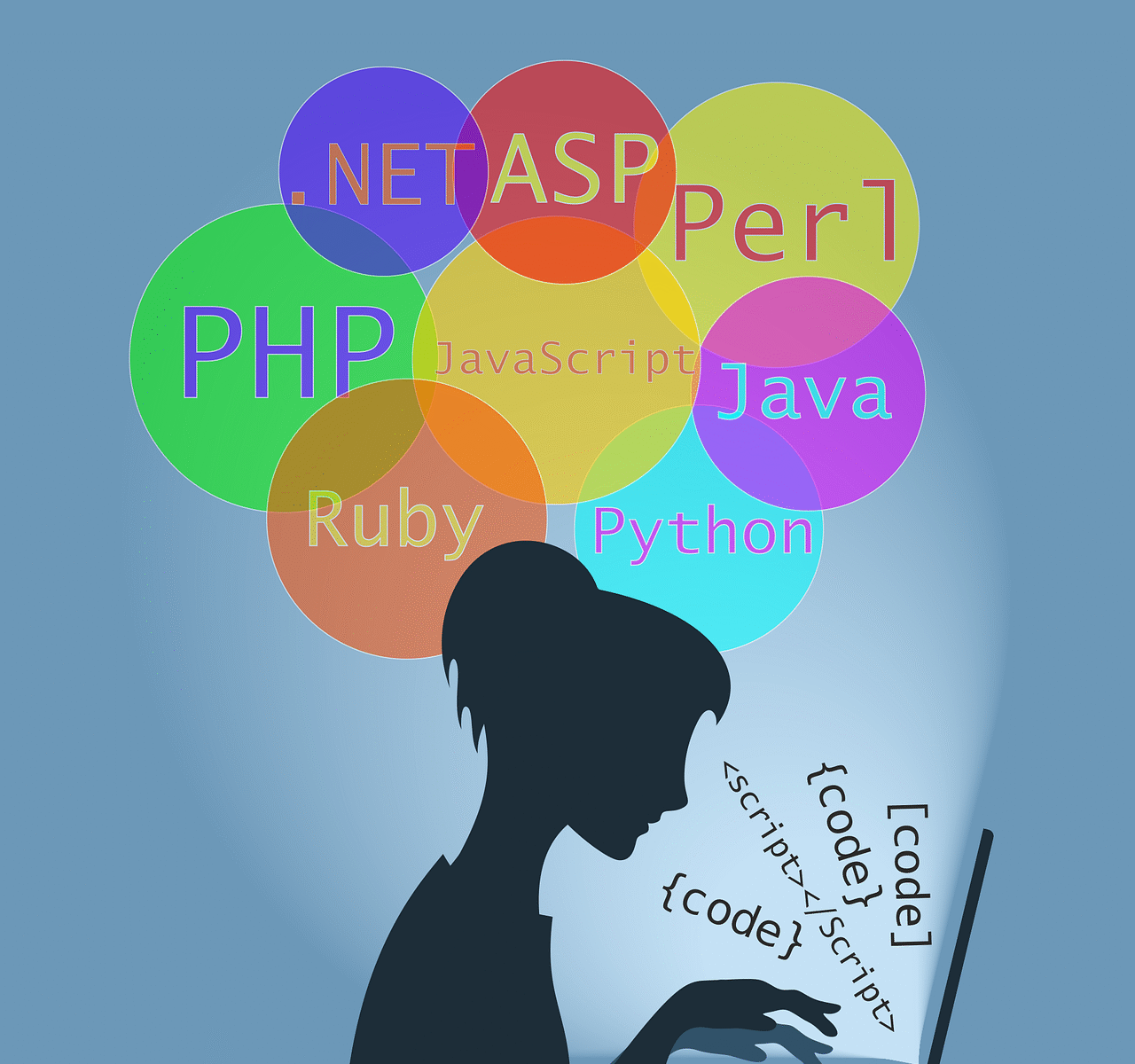
Modern web development techniques are essential for building websites that are responsive, fast, and user-friendly. In today’s digital landscape, users expect seamless experiences across devices, while businesses demand scalable and secure solutions. This article explores the most effective tools, frameworks, and best practices that developers can apply to achieve high performance. It will cover front-end and back-end methodologies, innovative approaches like JAMstack and API-first workflows, and a step-by-step breakdown of the web development lifecycle, offering a comprehensive guide for both developers and organizations.
What Are Web Development Techniques?
Web development techniques are structured methods and practices used to design, build, and maintain websites and web applications. They encompass both front-end development, which focuses on user interfaces and experiences, and back-end development, which ensures functionality, security, and performance. These techniques are vital because they provide developers with proven approaches to create efficient, scalable, and reliable digital solutions.
Modern Web Development Techniques with JAMstack Headless CMS and API-First Workflows
Innovative approaches such as JAMstack, Headless CMS, and API-first workflows are transforming how websites are built. JAMstack architecture enhances speed and security by serving pre-rendered content and reducing server dependencies. Headless CMS platforms allow content creators to manage information independently of the presentation layer, providing flexibility across multiple channels. API-first workflows streamline integrations by prioritizing robust, reusable APIs, enabling seamless communication between services. Real-world applications include e-commerce platforms using JAMstack for faster load times, publishers adopting Headless CMS for omnichannel delivery, and businesses leveraging API-first strategies to integrate third-party services efficiently.
Key Front-End Web Development Techniques for Modern Websites
Front-end development relies on techniques that ensure usability and responsiveness. Semantic HTML provides meaningful structure, improving accessibility and SEO. CSS Grid and Flexbox enable flexible, adaptive layouts that respond to different screen sizes. Responsive design ensures websites function seamlessly across devices, while accessibility standards guarantee inclusivity for all users. Frameworks such as React and Vue further enhance development efficiency by offering reusable components and dynamic interfaces, making modern websites more interactive and scalable.
Essential Back-End Development Techniques to Build Secure and High-Performance Websites
Back-end development focuses on powering websites with secure and efficient systems. RESTful APIs and GraphQL provide structured ways to manage data exchange between client and server. Server-side programming ensures dynamic functionality, while robust database design supports scalability and reliability. Security practices such as OAuth for authentication and HTTPS for encrypted communication safeguard user data and maintain trust. Together, these techniques form the backbone of high-performance, secure websites.
Web Development Techniques and Stages of the Process from Planning to Launch
The web development lifecycle involves a series of stages, each requiring specific techniques to ensure success. From initial planning to post-launch support, developers apply structured methodologies to deliver reliable and user-friendly websites.
Stage 1: Understanding Client Requirements
Effective development begins with gathering and documenting client needs. Techniques include conducting interviews, creating requirement specifications, and aligning project goals with business objectives to ensure clarity and direction.
Stage 2: Research, Wireframing, and Prototyping
Market research helps identify user expectations and industry trends. Wireframing provides a visual outline of the website’s structure, while prototyping allows developers to test functionality and design concepts. Iteration based on feedback ensures alignment with client and user needs.
Stage 3: UI/UX Design Best Practices
User-centric design techniques prioritize intuitive navigation and clear visual hierarchy. Accessibility standards, such as WCAG guidelines, ensure inclusivity for users with diverse needs. These practices create interfaces that are both engaging and functional.
Stage 4: Back-End and Front-End Coding
Technical implementation involves applying modern coding practices to both front-end and back-end development. Developers use frameworks, APIs, and secure programming methods to build scalable, responsive, and reliable systems that meet project requirements.
Stage 5: Testing, Launch, and Post-Launch Maintenance
Quality assurance techniques, including automated and manual testing, validate functionality and performance. Deployment pipelines such as CI/CD streamline the launch process, ensuring smooth releases. Post-launch maintenance involves monitoring, updates, and optimization to sustain performance and security over time.
Popular Web Development Methodologies and Techniques Agile, Scrum, Kanban & More
Web development projects can be managed using a variety of methodologies, each offering unique strengths. Agile emphasizes flexibility and iterative progress, while Scrum provides a structured framework for team collaboration. Kanban focuses on visualizing workflows to improve efficiency, and Lean aims to reduce waste while maximizing value. Extreme Programming (XP) enhances quality through disciplined practices, while DSDM (Dynamic Systems Development Method) prioritizes rapid delivery. Waterfall, though more traditional, offers a linear approach suitable for projects with fixed requirements. Comparing these methodologies helps teams select the most effective approach for their specific project needs.
Agile Development Techniques for Web Projects
Agile development is based on iterative cycles, where projects are broken into manageable sprints. Each sprint delivers functional components, allowing teams to adapt quickly to changing requirements. Agile workflows encourage collaboration, continuous feedback, and incremental improvements, ensuring that web projects remain aligned with client goals and user needs.
Scrum Framework: Managing Web Development Projects Effectively
Scrum organizes development through defined roles, ceremonies, and artifacts. Roles include the Product Owner, Scrum Master, and Development Team. Ceremonies such as sprint planning, daily stand-ups, sprint reviews, and retrospectives ensure transparency and collaboration. By breaking work into sprints and fostering accountability, Scrum helps teams deliver high-quality web solutions efficiently.
Kanban Approach: Visualizing and Streamlining Workflows
Kanban uses boards with columns representing stages of work, allowing teams to visualize tasks and track progress. This approach helps identify bottlenecks, balance workloads, and improve efficiency. By limiting work in progress, Kanban ensures smoother workflows and faster delivery of web development tasks.
Lean Development Techniques: Building Efficient and Scalable Solutions
Lean principles focus on eliminating waste and maximizing value. In web development, this means streamlining processes, reducing unnecessary features, and prioritizing user needs. Lean encourages continuous improvement and scalability, ensuring that projects remain efficient and adaptable to growth.
Extreme Programming (XP) Techniques for High-Quality Web Development
XP emphasizes practices that improve code quality and collaboration. Techniques include pair programming, where two developers work together to enhance accuracy, and test-driven development (TDD), which ensures reliability through automated testing. Continuous integration further strengthens quality by merging code frequently and detecting issues early.
Waterfall vs Agile: Choosing the Right Approach for Your Web Project
Waterfall follows a linear sequence of stages, making it suitable for projects with fixed requirements and minimal changes. Agile, by contrast, thrives in dynamic environments where flexibility and iteration are essential. Waterfall offers predictability but limited adaptability, while Agile provides responsiveness but requires strong collaboration. Choosing between them depends on project scope, complexity, and stakeholder needs.
Essential Tools and Frameworks for Modern Web Development Techniques
Modern web development relies on powerful tools and frameworks. VS Code offers a versatile coding environment, Git enables version control and collaboration, and Docker supports containerization for scalable deployments. Frameworks such as Next.js streamline front-end development, while Laravel and Django provide robust back-end solutions. Together, these tools and frameworks empower developers to build efficient, high-performance websites.
Best Practices for Modern Web Development Techniques
Best practices ensure quality and sustainability in web projects. Writing clean, maintainable code improves collaboration and reduces errors. Performance optimization techniques, such as minimizing HTTP requests and leveraging caching, enhance speed. SEO-friendly development ensures visibility in search engines, while accessibility standards guarantee inclusivity. Security practices, including HTTPS and regular audits, protect user data and maintain trust.
Common Challenges in Web Development Techniques and How to Overcome Them
Web development often faces challenges such as cross-browser compatibility, where websites must function consistently across different platforms. Scalability issues arise when systems struggle to handle growth. Solutions include thorough testing, adopting responsive design, and implementing scalable architectures. By anticipating these challenges, developers can build resilient and adaptable websites.
Beginner’s Roadmap to Learning Web Development Techniques
Beginners can follow a structured roadmap to master web development. Start with foundational skills in HTML, CSS, and JavaScript. Progress to frameworks like React or Vue for front-end, and Node.js or Django for back-end. Use learning platforms such as freeCodeCamp, Codecademy, or Udemy, and reinforce skills through project-based learning. Building real-world projects solidifies knowledge and prepares learners for professional development.
Related Resources and Further Reading on Web Development Techniques
For continued learning, explore blogs such as Smashing Magazine and CSS-Tricks, which provide insights into modern practices. Tools like MDN Web Docs offer comprehensive references, while communities such as Stack Overflow and GitHub foster collaboration. These resources help developers stay updated and refine their expertise.
Contact Us for Expert Advice on Web Development Techniques
Our team offers consulting, mentorship, and technical support to help businesses and developers apply modern web development techniques effectively. Reach out to discuss your project needs and benefit from expert guidance tailored to your goals.
Subscribe to ClicknHub’s Web Development Newsletter
Stay informed with the latest updates, tips, and resources by subscribing to ClicknHub’s newsletter. Receive curated insights on modern web development techniques directly in your inbox, helping you stay ahead in the industry.
Help Improve This Guide by Contributing Your Expertise
We welcome feedback and contributions from developers to enhance this guide. Share your expertise, suggest improvements, or provide case studies to make this resource more valuable for the community. Your input helps create a stronger, more comprehensive reference for modern web development.
Frequently Asked Questions About Web Development Techniques
What Are the Core Techniques of Web Development?
Core techniques include semantic markup, which ensures meaningful HTML structure for accessibility and SEO; responsive design, which adapts layouts to different devices; API integration, enabling communication between applications and services; and optimization for speed and security, such as caching, minification, and HTTPS implementation.
What Are the 7 Stages of Web Development?
The seven stages are:
- Planning – defining goals and requirements.
- Analysis – researching user needs and market trends.
- Design – creating wireframes and UI/UX layouts.
- Development – coding front-end and back-end functionality.
- Testing – ensuring quality, performance, and security.
- Deployment – launching the website to production.
- Maintenance – ongoing updates, monitoring, and support. Each stage is critical to delivering a reliable and user-friendly website.
What Are the Three Main Types of Web Development?
The three main types are:
- Front-end development: focuses on user interfaces using HTML, CSS, and JavaScript.
- Back-end development: manages server-side logic, databases, and APIs.
- Full-stack development: combines both front-end and back-end skills, enabling developers to build complete solutions.
What Are the Key Technologies Used in Web Development?
Key technologies include HTML, CSS, and JavaScript for front-end development; databases such as MySQL and MongoDB; server technologies like Node.js, PHP, and Python; and frameworks such as React, Angular, Django, and Laravel.
What Are the Basic Tools Every Web Developer Should Know?
Essential tools include code editors like Visual Studio Code, version control systems such as Git for collaboration, and browser developer tools for debugging and performance analysis.
Which Is the Best Technology for Web Development Today?
The best technology depends on project needs. React and Next.js are popular for dynamic front-end applications, while Django and Laravel are strong back-end frameworks. Node.js is widely used for scalable, real-time applications. Each technology excels in different contexts, from e-commerce to enterprise solutions.
What Platforms Do Most Web Developers Use?
Popular platforms include WordPress for content-driven sites, Shopify for e-commerce, and custom frameworks for tailored solutions. These platforms provide flexibility depending on business requirements and scalability goals.
What Is the Most Common Code Used in Web Development?
HTML, CSS, and JavaScript form the foundation of web development. HTML structures content, CSS styles it, and JavaScript adds interactivity. Together, they power nearly all modern websites.
What Type of Web Developer Is Most in Demand?
High-demand roles include full-stack developers who can manage both front-end and back-end, mobile-first developers specializing in responsive and app-like experiences, and cloud-native developers skilled in deploying scalable solutions on platforms like AWS or Azure.
What Is the Easiest Website Builder for Beginners?
Beginner-friendly platforms include Wix and Squarespace, which offer drag-and-drop interfaces and templates. While they simplify website creation, they have limitations in customization and scalability compared to professional frameworks.